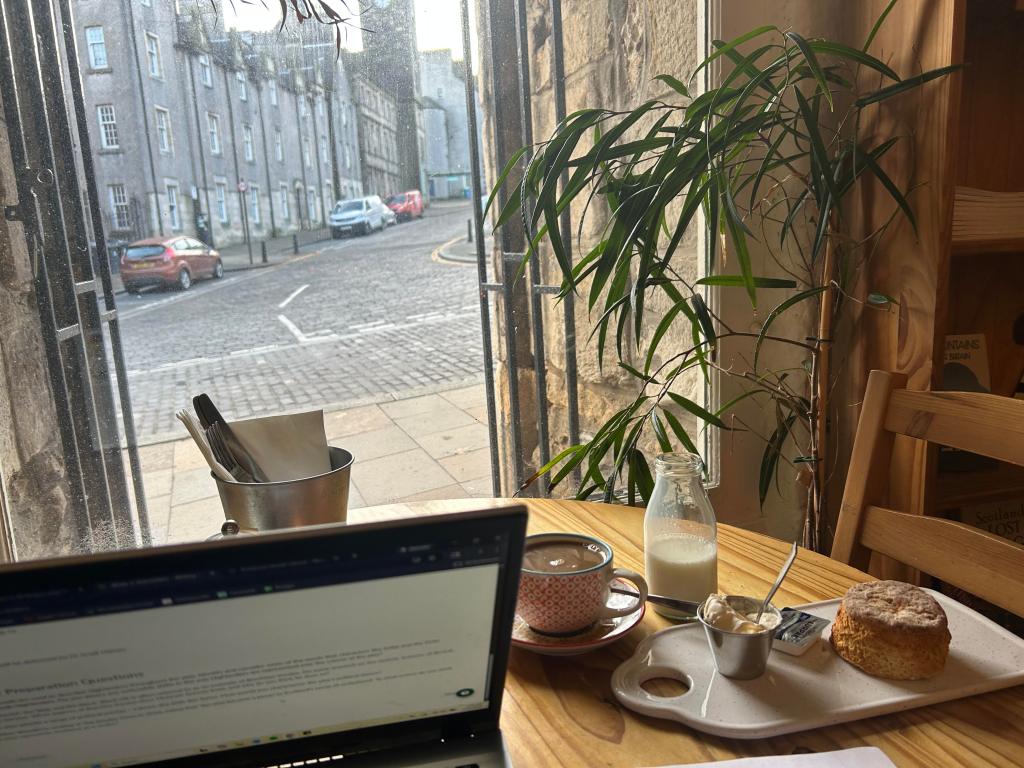
As I’m entering my third full week in Scotland, I’m slowly figuring out how to settle in and make Stirling my temporary home. For me, this means establishing routines–forming patterns of living that provide some grounding comfort amidst all the adventure and unfamiliarity. Anyone who knows me well knows that few things are more comforting for me than a good cup of coffee, so my favorite part of establishing new routines has been looking for the nearest, best coffee shop. I must be somewhat easy to please and/or loyal, because I found it on my third try and haven’t gone anywhere else since.
Some of my favorite (less adventurous) time here has been spent at the Darnley Coffee House–a cozy little cafe just outside the city center with a fantastic arched, cobblestone roof. Many centuries ago, the Darnley Coffee House actually served as Stirling’s first and only brothel! While their business now is a little more innocent, I’m sure the overall pleasure ratings of its patrons remains just as high–seriously, this is one sexy cup of coffee.
So far, on mornings I’m not in classes, I’ve been enjoying coming to sit at the little round table in the corner and indulging in a warm scone (what we would refer to as a biscuit) with clotted cream while I do my weekly class readings. From what I’ve heard, real, quality clotted cream is virtually impossible to find or make in the U.S, so I’m trying to enjoy as much as I possibly can before I return home.
In addition to great coffee and scones, this week has been one of stumbling upon some magnificent sights.
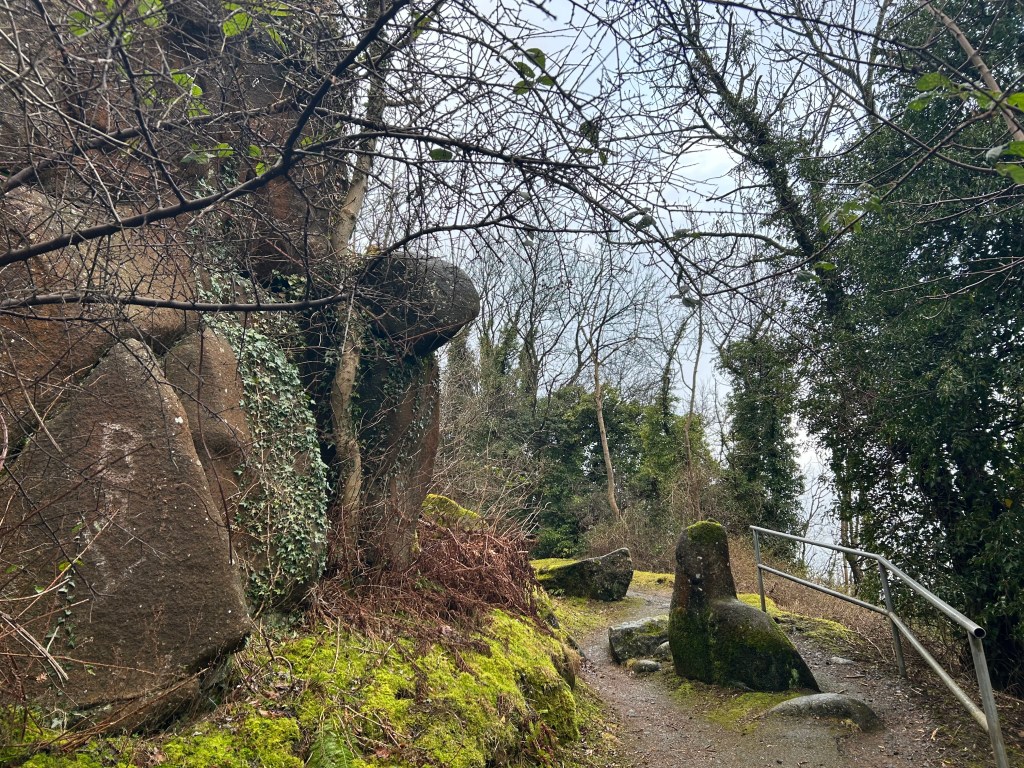
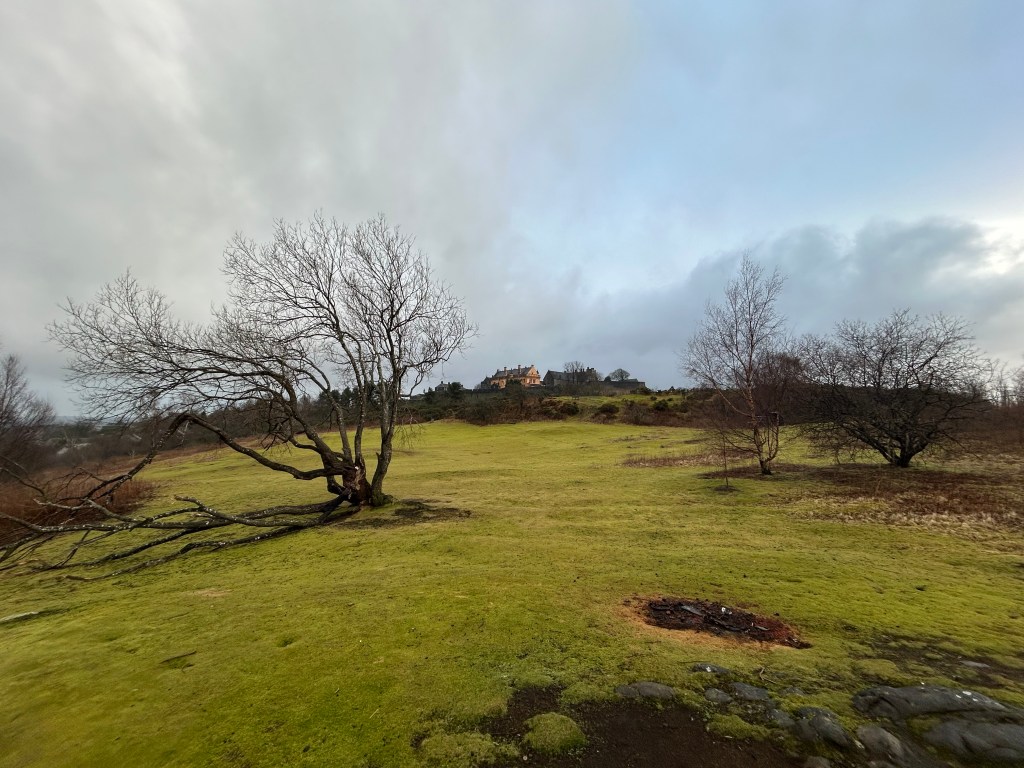
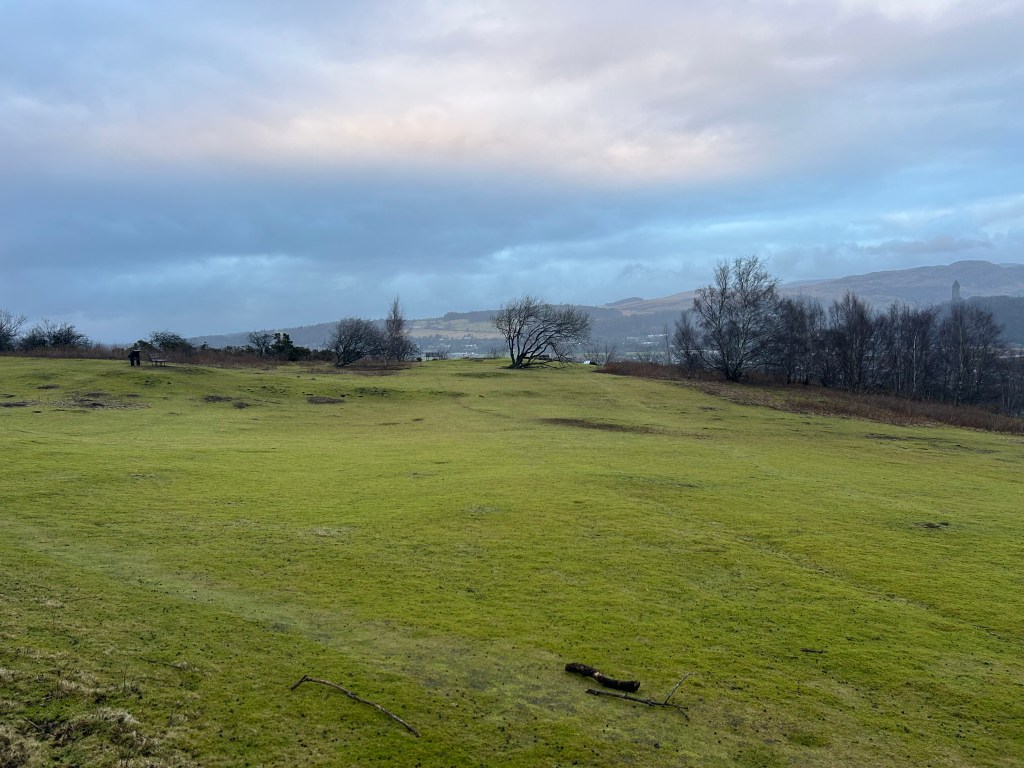
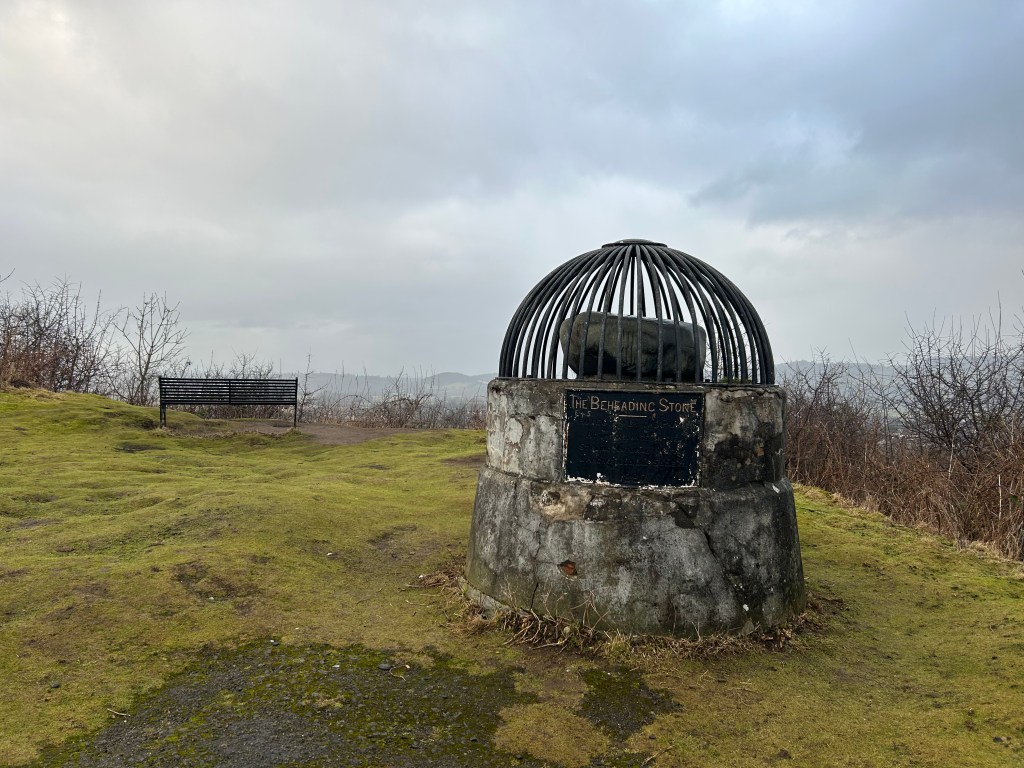
Very near my apartment, there’s a path that leads to Gowan Hill, one of the largest public parks in Stirling. On a rainy afternoon, I decided to follow the path for the first time, expecting a quick walk. Instead, what I discovered was a gorgeous trail that looped all the way around Stirling Castle, filled with the most gorgeous views of the city. The entire hill is covered in the softest, green moss, and bright white Snowdrops–Scotland’s earliest blooming flower. At the top of the hill, there’s a metal cage surrounding a large slab ominously labeled, “The Beheading Stone”–the very place where capital punishments were carried out throughout the 15th century. It felt a little out of place amongst the natural beauty of the park, but did add a spooky, ominous feeling to the area that was appropriate and accurate to its Medieval history.
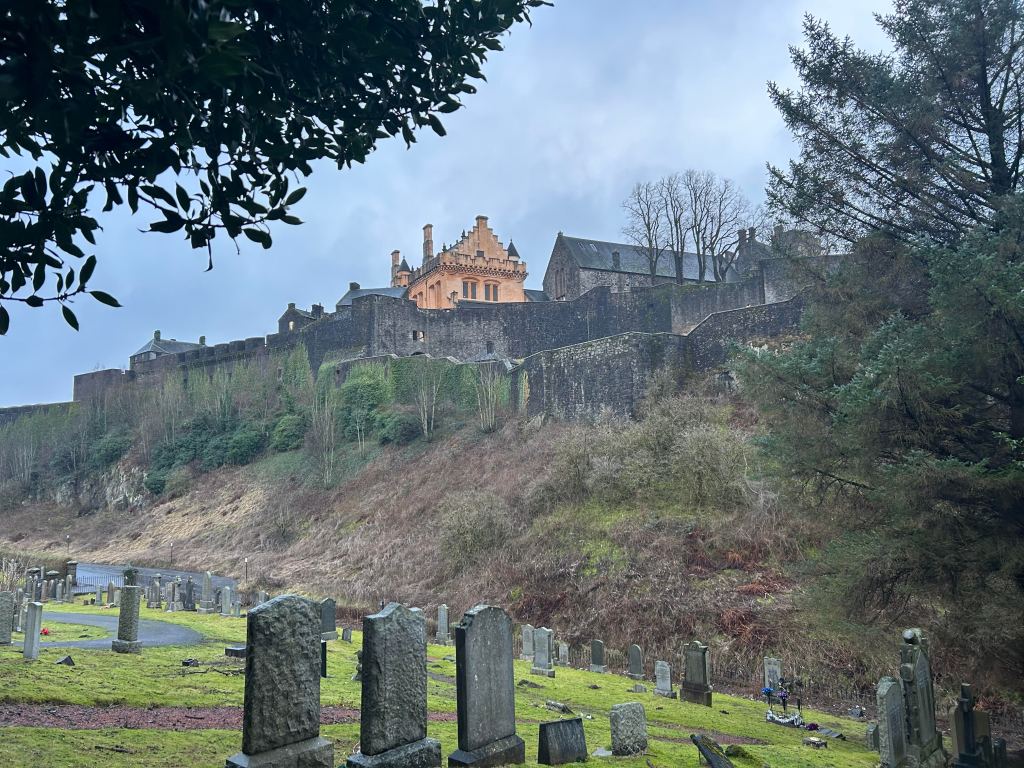
Perhaps the most stunning area of the park is just below the castle wall’s, in the castle’s own cemetery. It was incredible to walk around the graveyard and see headstones from the 21st century laying amongst those from the 18th century or before. It’s an indescribable feeling to be walking across a plot of graves that singlehandedly holds centuries upon centuries of a country’s history. This walk is one I will be returning to often!
This past weekend also included an amazing bus trip to the Eastern coast, where I visited the city of St. Andrews, Fife, and the fishing villages of Anstruther and Elie. I packed into a little van with seven other students from Stirling and a charming German man named Mike, who knew more about Scottish history and geography than most Scottish people I’ve met so far.
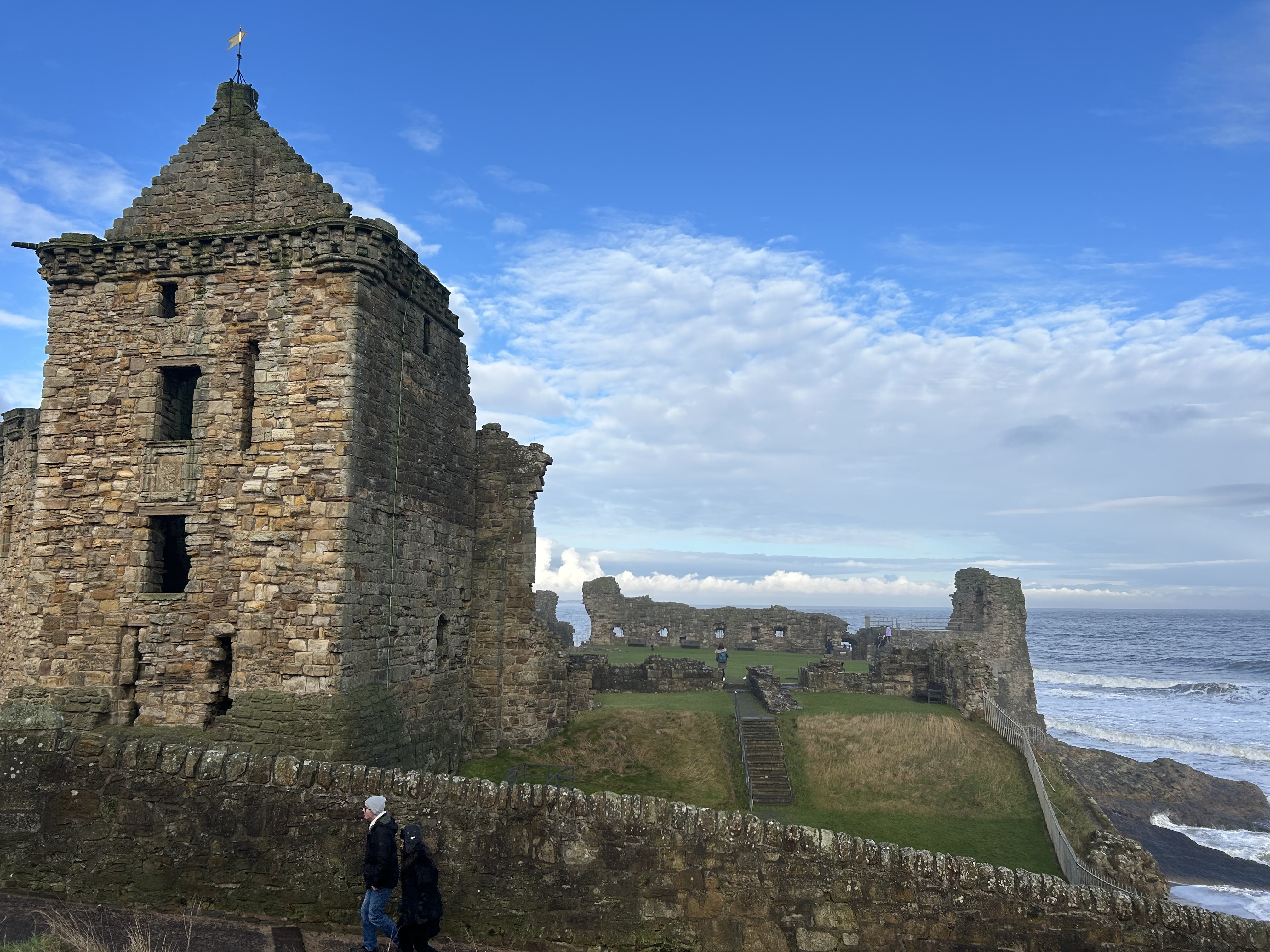
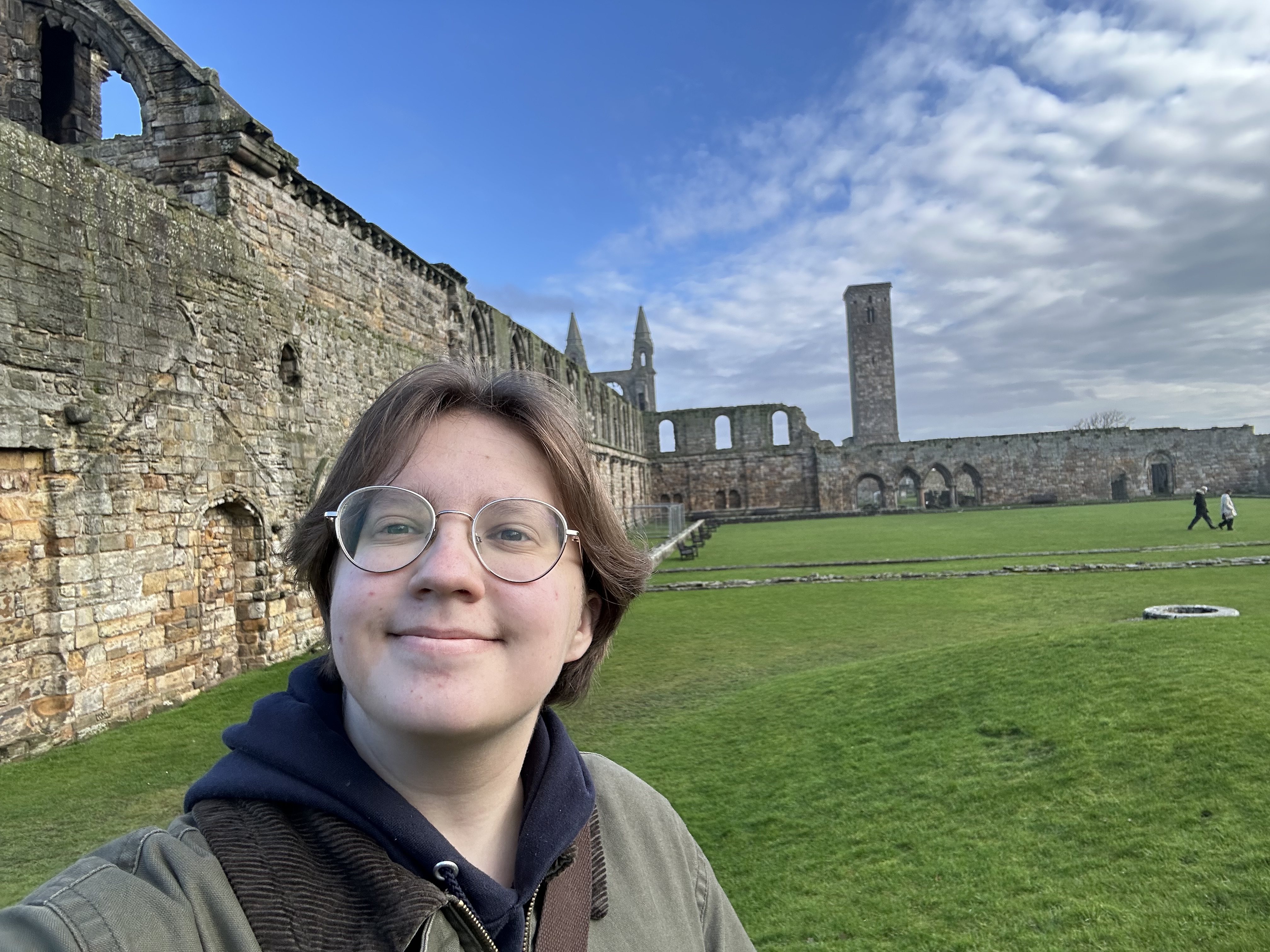
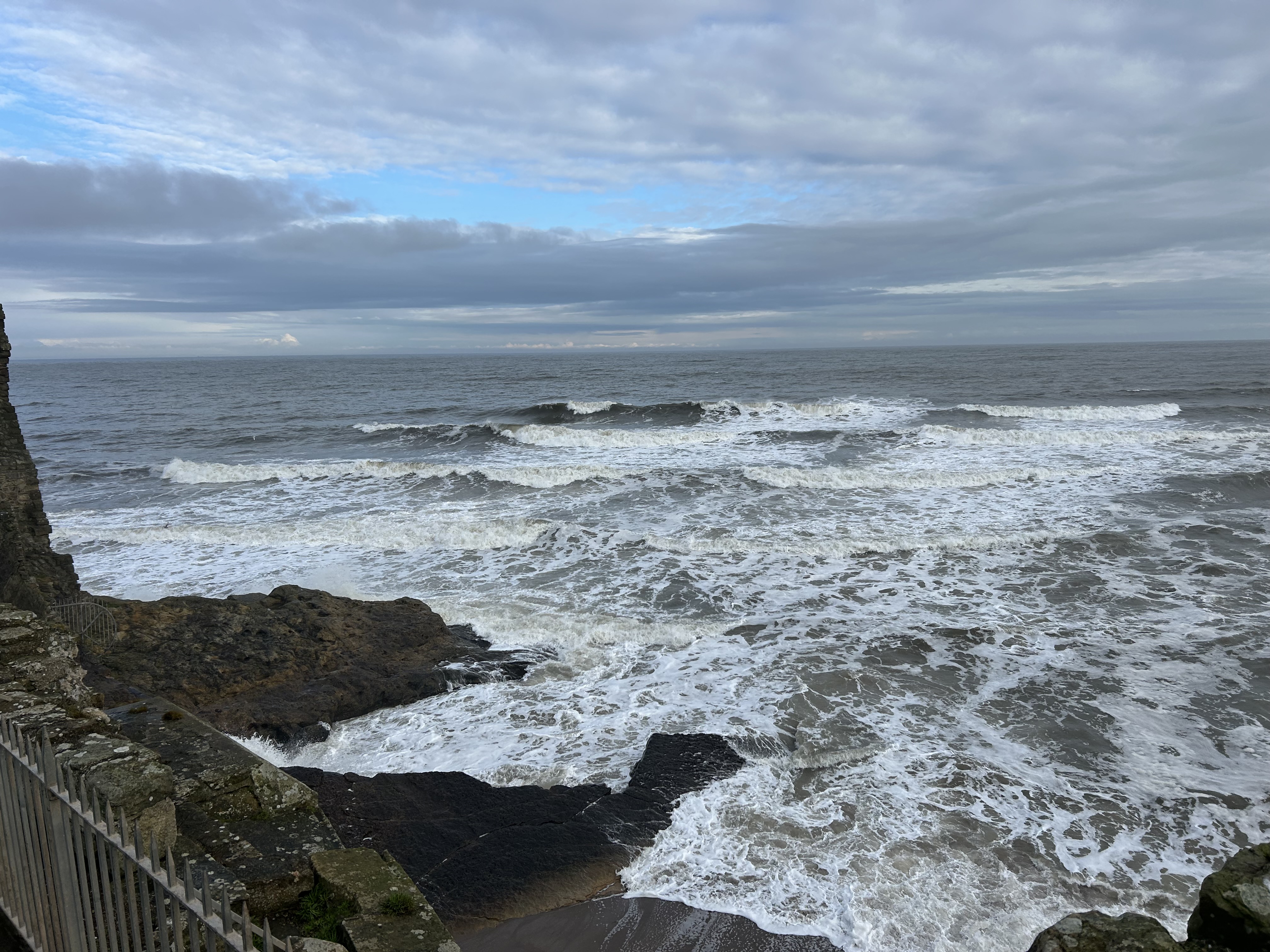
Our longest stop was in St. Andrews, where I visited the ruins of St. Mary’s Cathedral and the St. Andrews’s castle. Both places were an amazing demonstration of preservation amongst two seaside strongholds that had been sieged many times–both by enemy powers and the destructive waves of the North Sea’s coast on which they stand.
It was a quick trip, so I wasn’t able to linger as long as I would’ve liked, but the view from the top of the castle was more than enough worth the journey there.
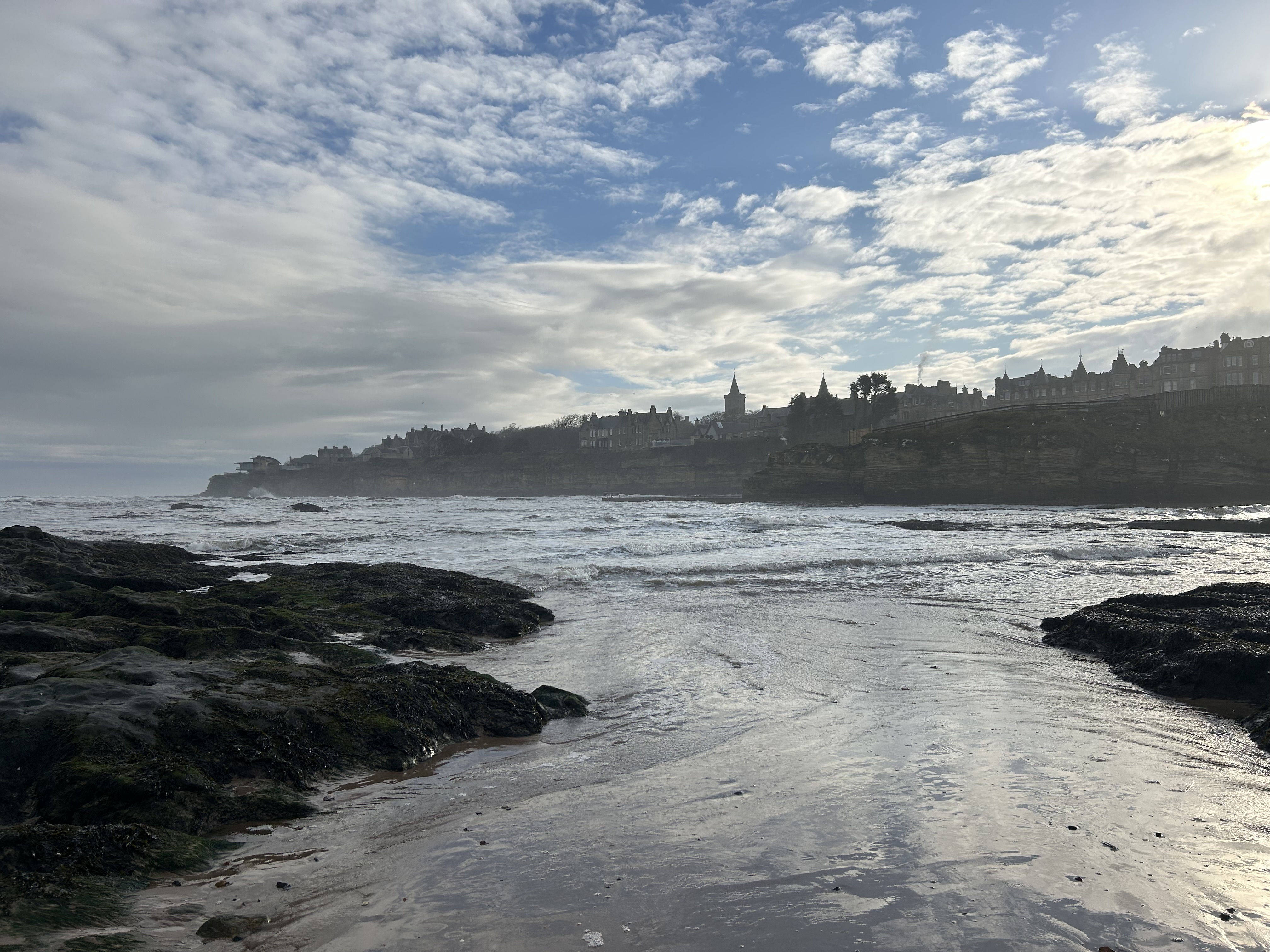
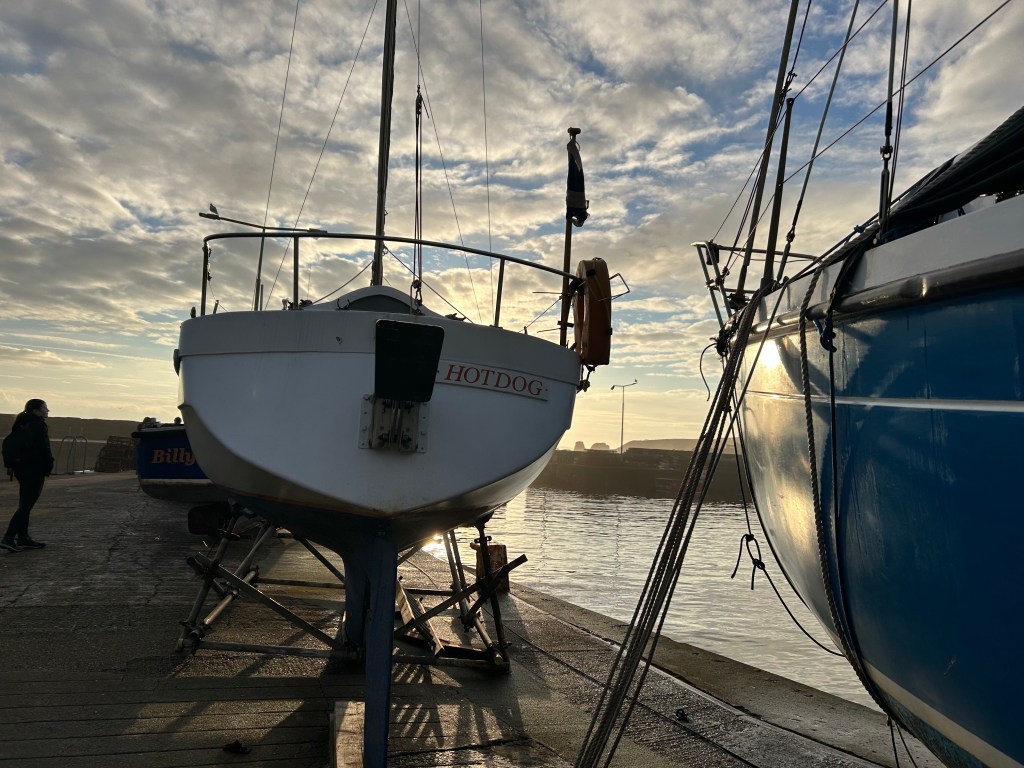
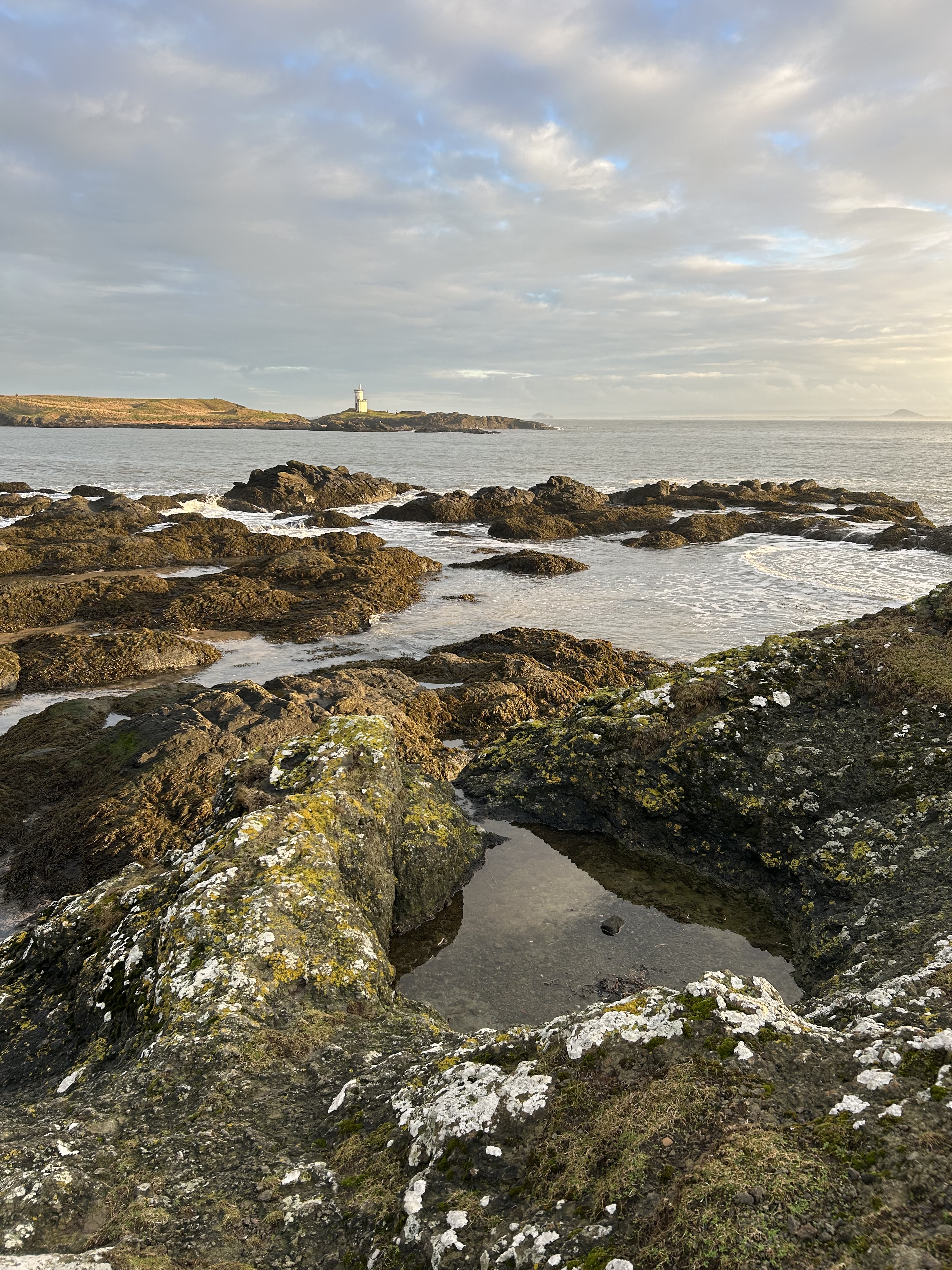
After leaving St. Andrews, we made stops in the delightful, cozy fishing villages of Anstruther and Elie, where I was able to walk around the harbors lying on the North Shore. Even in my short time there, it was remarkable to see how the natural environment impacted the everyday life and culture of the villages in such a palpable way. Perhaps my favorite demonstration of this was learning about a mill in Elie that uses wind power to harvest salt from the sea, which is then used to preserve fish caught from the sea, that’s then sold to the Fish and Chips shops that operate directly on the coast of the sea. An incredible display of self-sustainability and, really, a demonstration on how the entirety of the world ought to function.
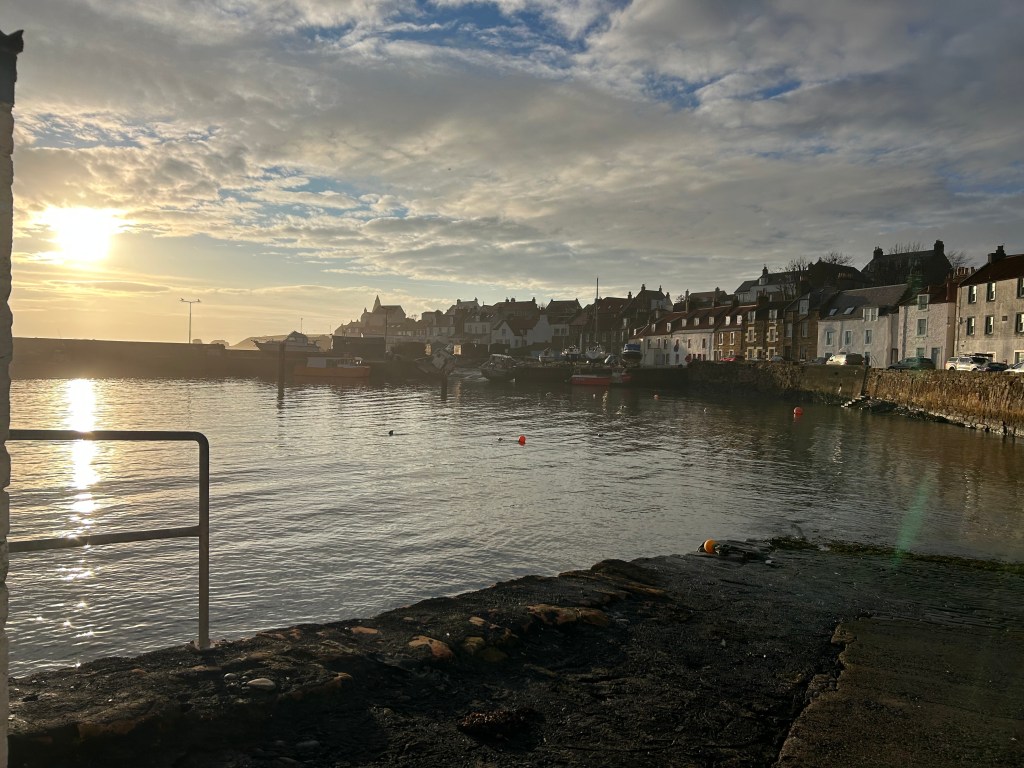
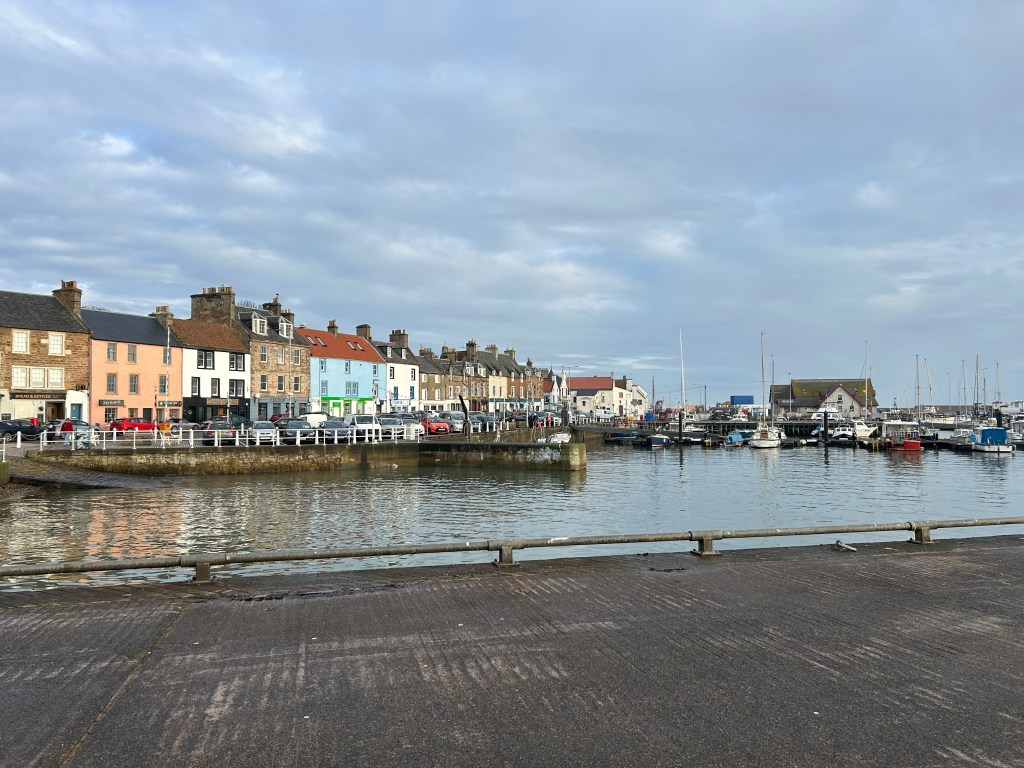
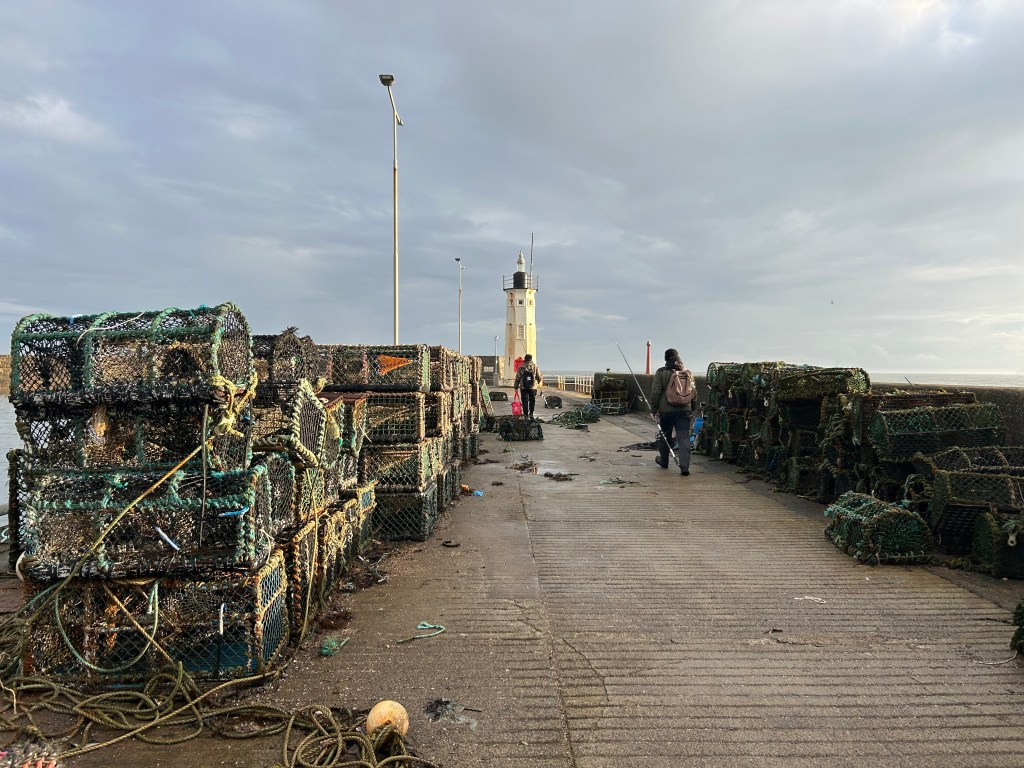
The majority of the trip was spent in the council area of Fife, which of course, as a Shakespeare fan, I know best as being home to the MacDuffs. This then conjured up a grand plan in my head of one Fabulous Macbethian adventure, where I slowly but surely make a stop at every castle/region mentioned in the Scottish play. I make no concrete promises, but Cawdor, Inverness, Dunsinane, and Birnam Wood are next on the list. Currently just looking for three witchy, mischievous women to join me on my journey (hit me up if this fits your description–would be willing to negotiate payment for services in acts of bloody betrayal!)
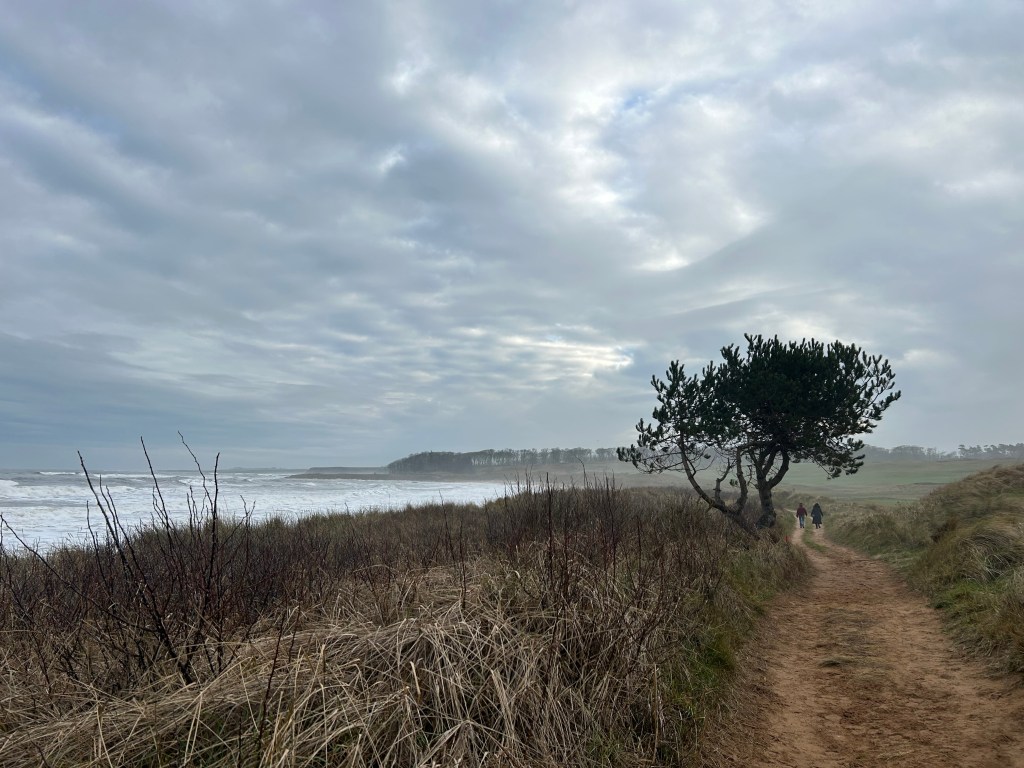
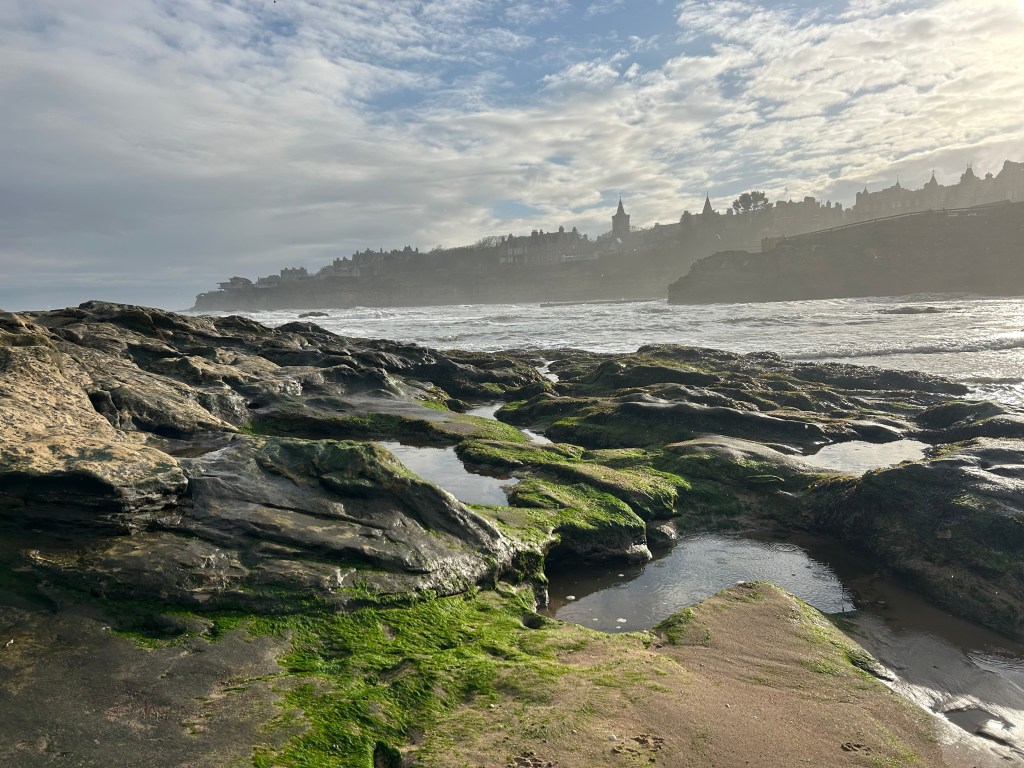
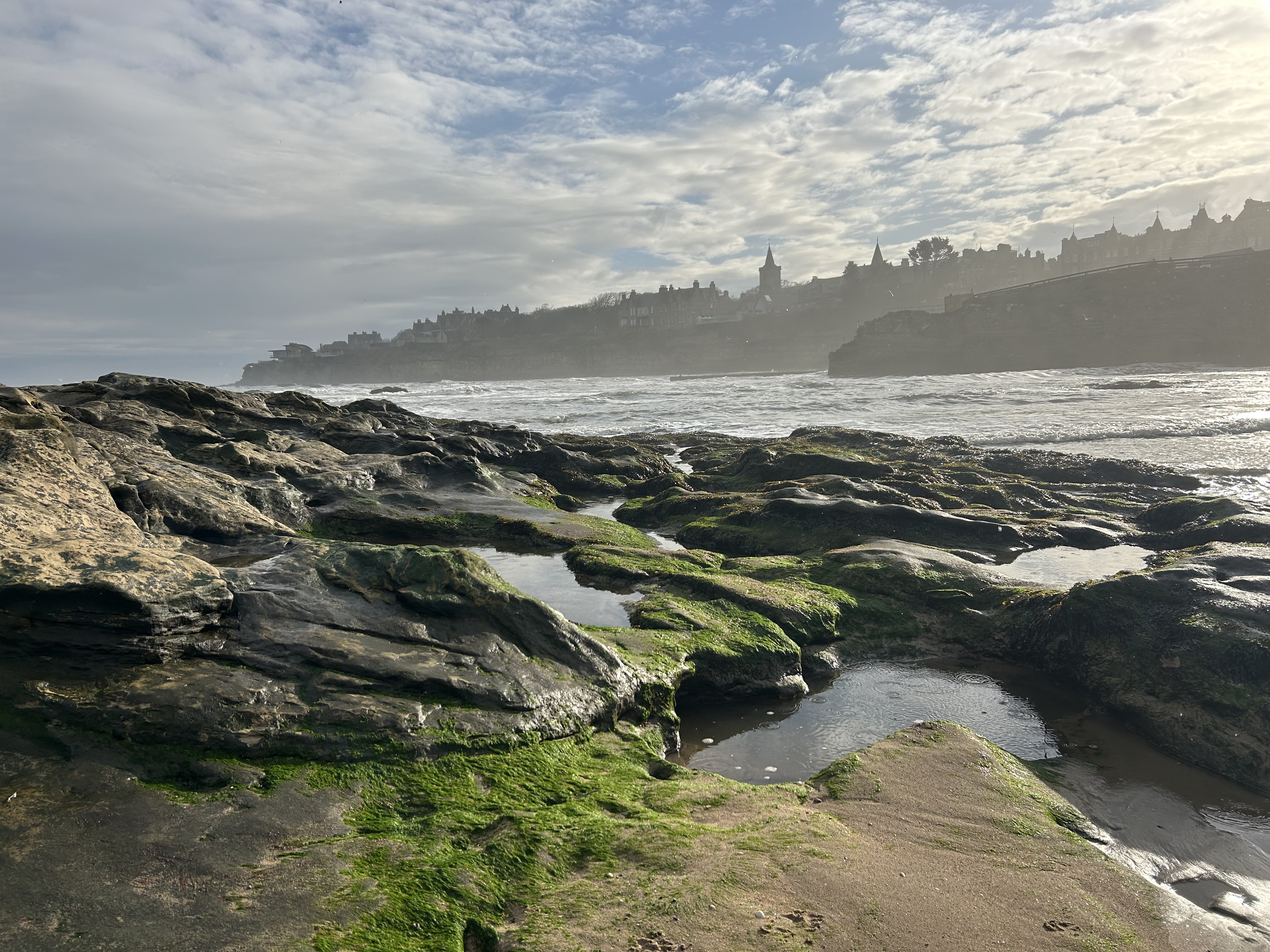
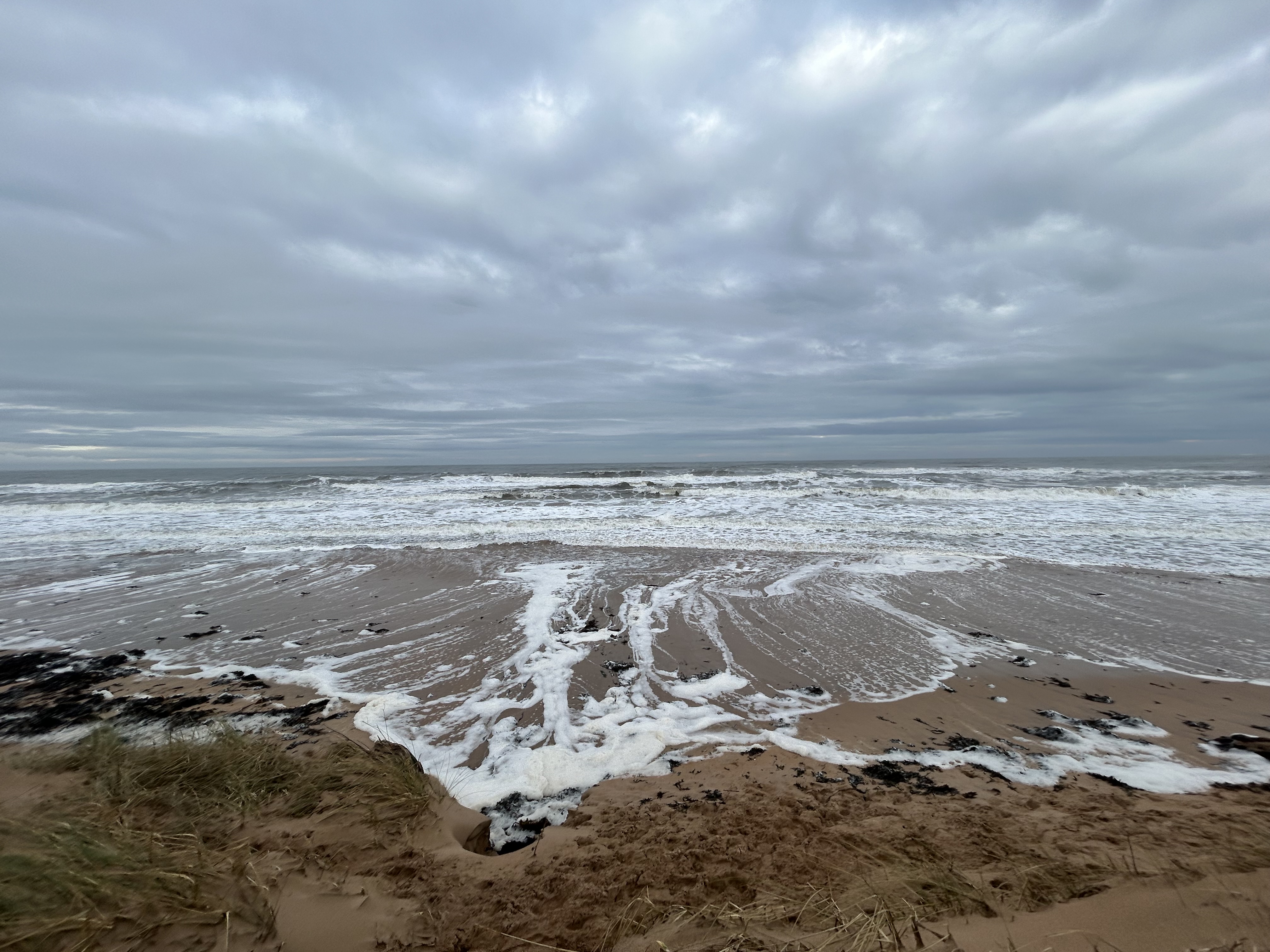
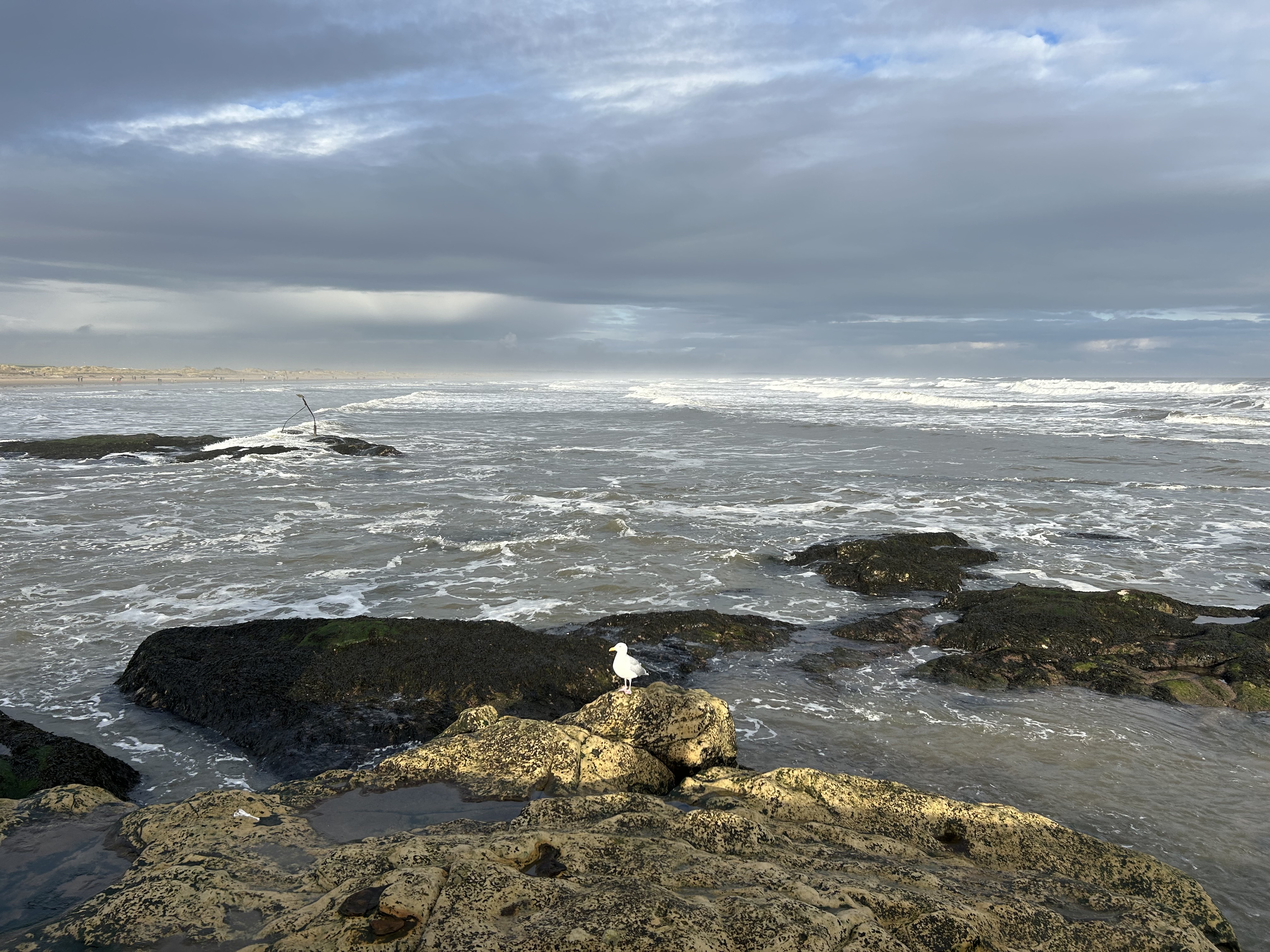
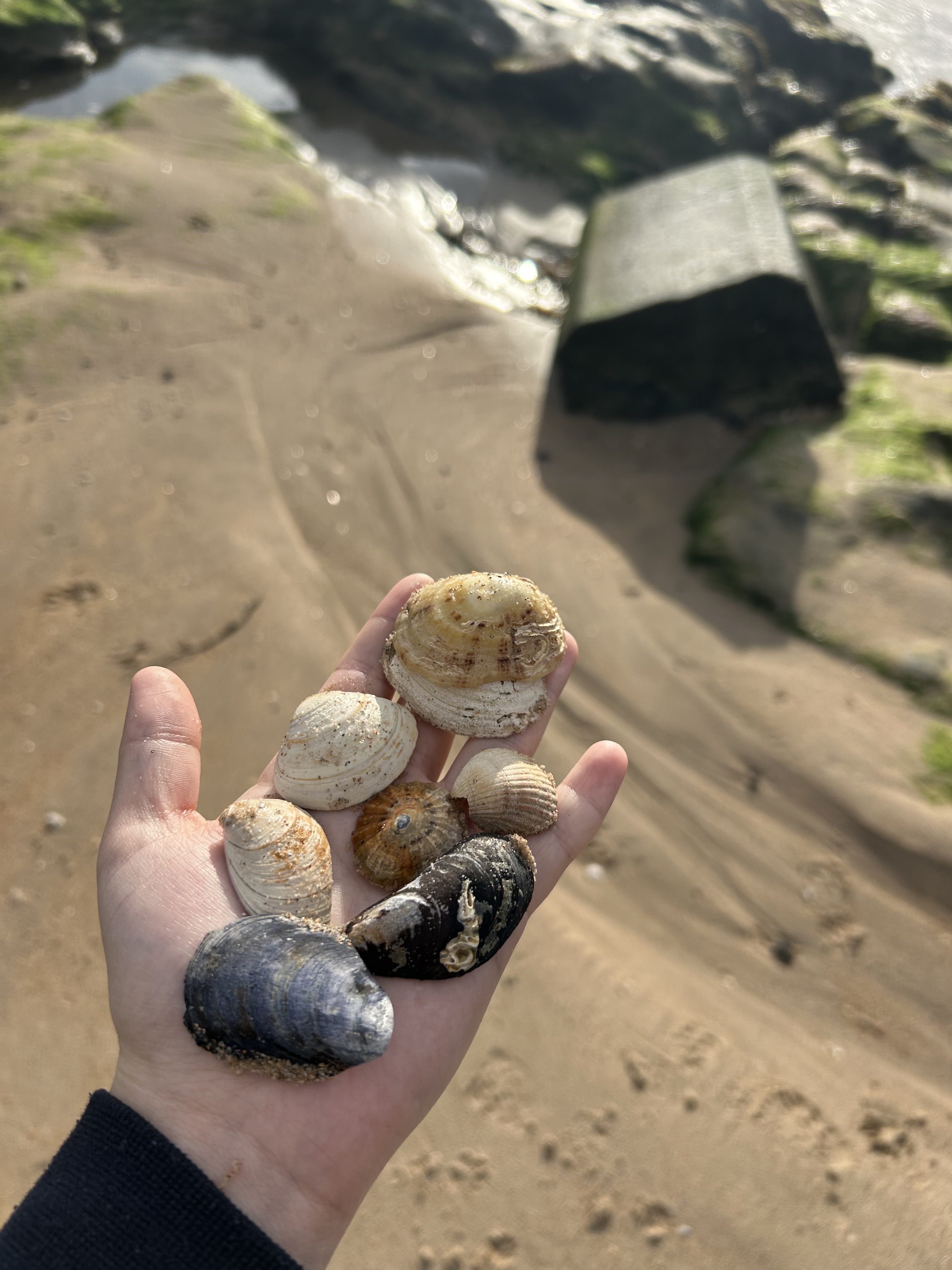
Out of all the incredible things I saw and experienced this week, I must say, nothing quite comes close to visiting the North Sea. Remarkably, this was my first time ever seeing the Ocean–and what a place to begin with!
In my class I’m taking on Paganism, we’re currently discussing Proclus’s theory of Sympathy, or Panta en Pasin–Everything is in Everything. In simple terms, the Ancient Greek theory that everything in nature: the skies, trees, water, and stones, are full of the gods–the Divine. And, moreover, the idea that if we look closely and carefully enough on these things, we can briefly, just for a moment, witness these simple parts of earth evoke the celestial power of the Divine.
I don’t fully grasp the concept, but gazing upon Scotland’s coast, seeing a part of the Ocean for the very first time, it occurred to me that whatever ancient god or divine power incarnates in the North Sea, must be one equally and concurrently majestic and terrifying. Looking upon the shore, it’s not hard to imagine the powerful waves crashing against the black rock, crushing ships and bones alike into thousands of little pieces. And yet, at the same time, there’s something equally tantalizing about the violence of the sea–something impossible to drag your eyes and feet away from.
All the mythology of Sirens, Mermaids, Kraken, and Kelpies makes incredible sense to me now.
It was an unforgettable trip, and has certainly filled me with even more desire to travel around and see everything I can possibly see!
Thanks for continuing to follow me on my journey! Stay tuned for a trip to Edinburgh that I’ve been looking forward to for many years!

 stirlingscribe
Leave a comment